



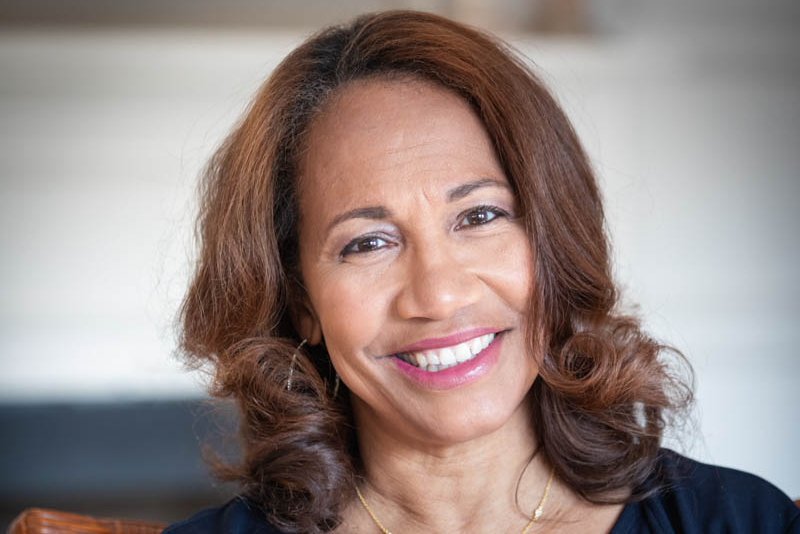
Marion Wells. Photo Credit: Human Asset Management
Q: What is your mission with Human Asset Management?
A: I aim to enhance the relationship between small- to mid-sized manufacturers and their employees by focusing on culture and development to create an exceptional employee experience.
Q: Are we moving the needle regarding mentoring the next generation of manufacturers?
A: I’m seeing positive trends in attracting young people to the industry, but we need to focus more on inclusivity. By that, I mean listening to their ideas and investing in their long-term development. It’s essential to consider their ideas to make them feel impactful in our day-to-day business operations. We need to enhance our listening skills and genuinely value what they bring to the table — their technological acumen, unique perspective and open-mindedness. While they are open-minded about us, are we reciprocating by being truly open-minded about harnessing their potential?


In discussions about this, a crucial decision arises. Are we inclined to merely assign tasks to them, or do we invest time in their development for long-term integration into the organization? The choice lies in whether we make them task-oriented contributors or focus on their sustained growth, ensuring they become integral parts of the organization, steering it toward the desired future.
Q: How important are the government and industry associations to workforce development?
A: Many trade associations now have workforce development officers and their respective associations are now offering training and coursework opportunities. Additionally, they are actively advocating at the governmental level. As we navigate the intricacies of payments within the ecosystem and assess manufacturing needs from a human resources perspective, we find ourselves well supported due to the government's commitment to funding. Notably, initiatives such as the Chips Act, the infrastructure bill, the defense bill and energy-related funding have been instrumental.
However, a crucial aspect that the government is beginning to address is the people side. They are now focusing on creating a comprehensive landscape where individuals can access a centralized source of resources and information to guide them in formulating internal strategy plans within their organizations. The Society of Manufacturing Engineers (SME) is playing a commendable role in this regard, emerging as an industry spokesperson and effectively facilitating this transition.
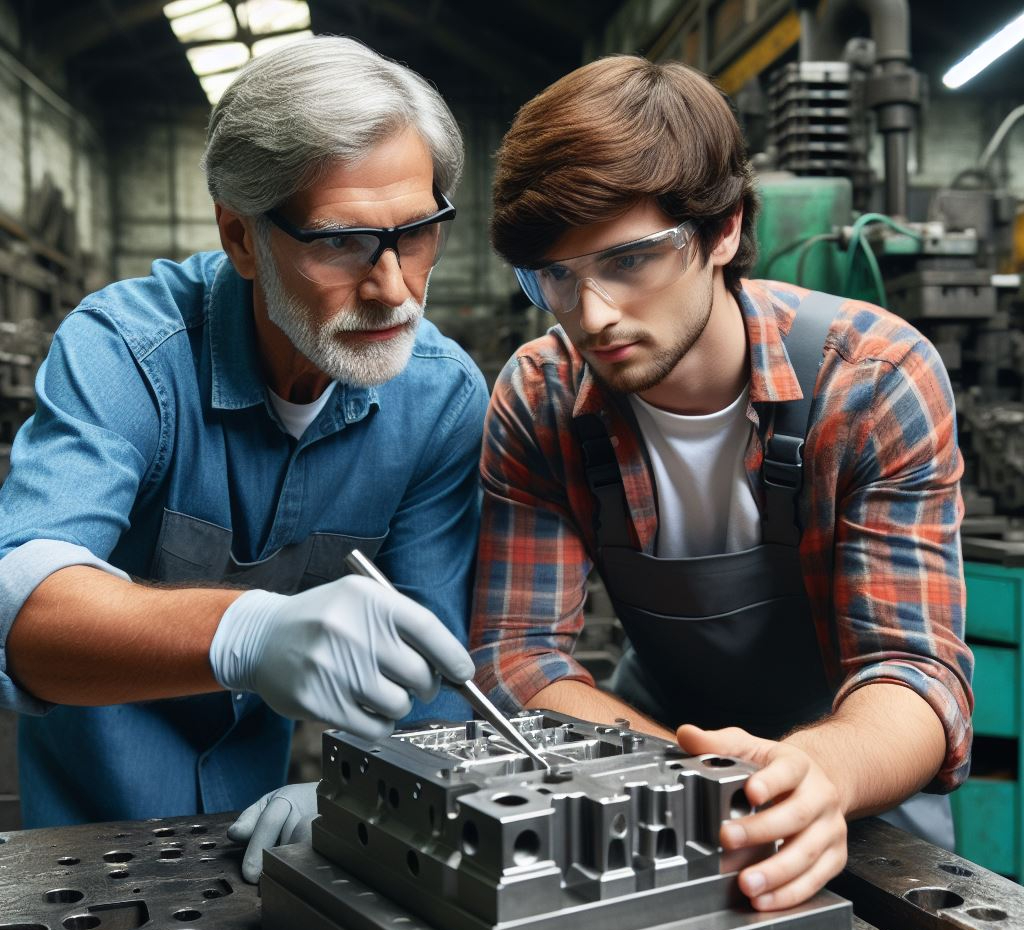
Photo Credit: Stock, CoPilot
Q: What are a few key takeaways regarding the changing dynamics in the workforce, especially with the retirement of baby boomers and the entry of a new generation?
A: It’s happening. 2030 is right around the corner. To prevent productivity loss and damage to customer relationships, shops must develop a strategic plan to transition to the next generation and collaborate with the different age groups currently in the workforce. Employees play a critical role in the success of an organization because any dysfunction in one department can disrupt the entire operation.
Organizations must align their people strategy with their business strategy by identifying the skills and talent required for growth and success, understanding the current state and planning for the future workforce.
The key is to align your people strategy with the business strategy, focus on inclusivity and development in workforce management and foster collaboration amid evolving workforce dynamics.


Related Content

Getting You to Think in Plastic First
For this summer school basics series, Pellet to Part explores each stage of the plastic injection molding process. The final step is to take the lessons learned from this series and figure out how to impart them to the future moldmaking/molding workforce.
Read More
How to Use Continuing Education to Remain Competitive in Moldmaking
Continued training helps moldmakers make tooling decisions and properly use the latest cutting tool to efficiently machine high-quality molds.
Read More
30 Under 30: The Next Generation Reshaping Moldmaking
Young professionals are bringing new perspectives, technical skills and strong commitment to the moldmaking industry. MoldMaking Technology recognizes these individuals through our 30 Under 30 program, highlighting emerging talent helping to shape the future of precision manufacturing.
Read More
Confronting the Mold Design Talent Drought
Recently, I reposted on LinkedIn the results of an informal survey we conducted, which revealed a shortage of skilled mold designers. It quickly gained a lot of traction. Given the response, I thought I'd summarize the feedback and keep the conversation going.
Read MoreRead Next

The Why & How of Developing a Talent Strategy
Chief Workforce Development Officer of the Society of Manufacturing Engineers and owner of Human Asset Management talk about workforce readiness, the state of the manufacturing workforce and steps for building a talent strategy.
Read More
How to Diversify Your Workforce
Manufacturers should focus on recruiting and retaining a diverse workforce to combat the skills gap.
Read More
Editorial Advisory Board 2023-2026: Get Reacquainted with MMT EAB Member Marion Wells Owner, Human Asset Management
Marion has been serving on MMT’s editorial advisory board since 2019. Hear what she's been up to lately.
Read More